
Popular Wood Types Used for Deck and Porch Construction
People seeking deck and porch construction often want to know about popular wood types used, and local contractors can recommend the best options for durability and style.
Visitors exploring popular wood types used for deck and porch construction are in the right place to find practical insights that can inform their outdoor project decisions. For property owners in the area, understanding the characteristics of different woods helps in selecting materials that stand up to local weather conditions, maintain their appearance over time, and meet the specific needs of their outdoor spaces. Whether planning a new deck or upgrading an existing porch, knowing which wood types are favored by local contractors can lead to more informed choices and successful results.
As readers continue through this page, they’ll discover how various wood options-each with unique benefits-are often recommended by experienced service providers for their durability, aesthetics, and ease of maintenance. Local contractors who specialize in deck and porch construction can offer tailored advice on selecting the right wood type to match personal preferences and property requirements. Exploring these options helps ensure that outdoor structures are built to last and enhance the overall appeal of the home.
- homeowners planning to build or replace a deck or porch can rely on local contractors to select durable wood types suited for outdoor use. - those considering different wood options for their outdoor spaces can find experienced service providers who recommend popular wood types based on climate and style. - when upgrading an existing deck or porch, local pros can advise on suitable wood choices that enhance longevity and appearance. - individuals designing new outdoor structures can work with local contractors to choose wood types that balance aesthetic appeal with practical performance. - property owners interested in specific wood grains or textures can connect with local service providers who specialize in using popular wood types for deck and porch construction.
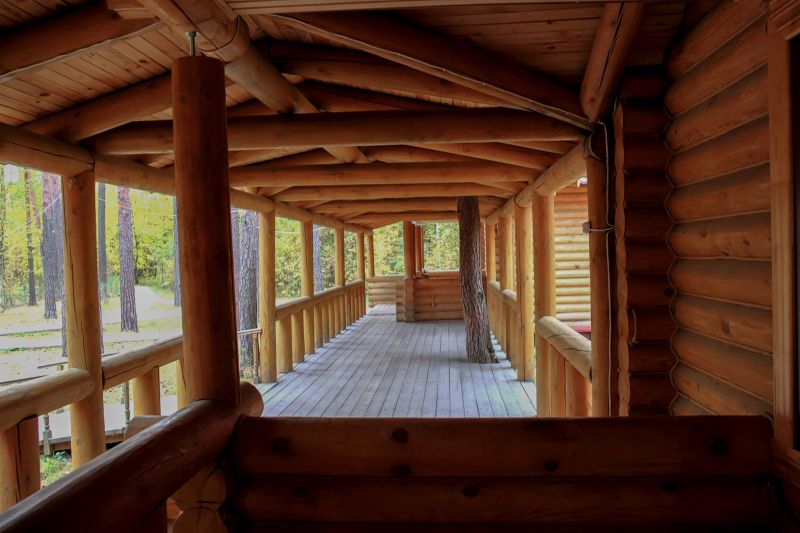
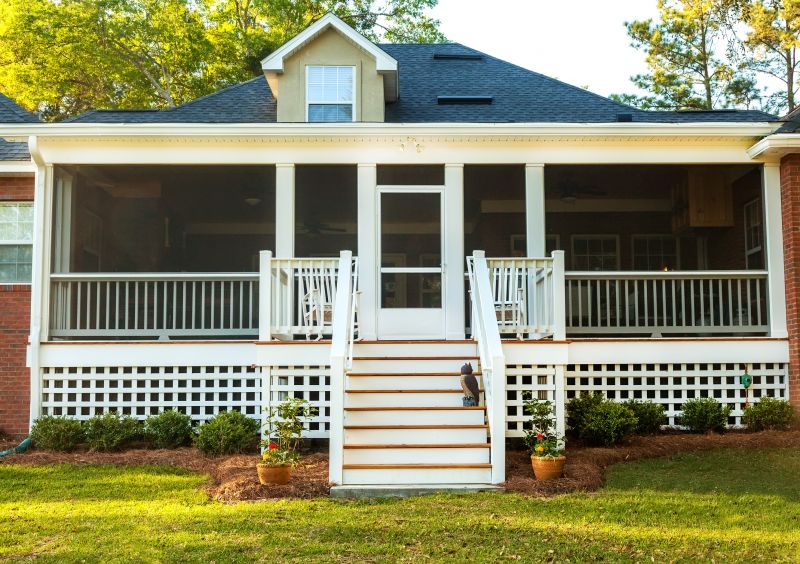
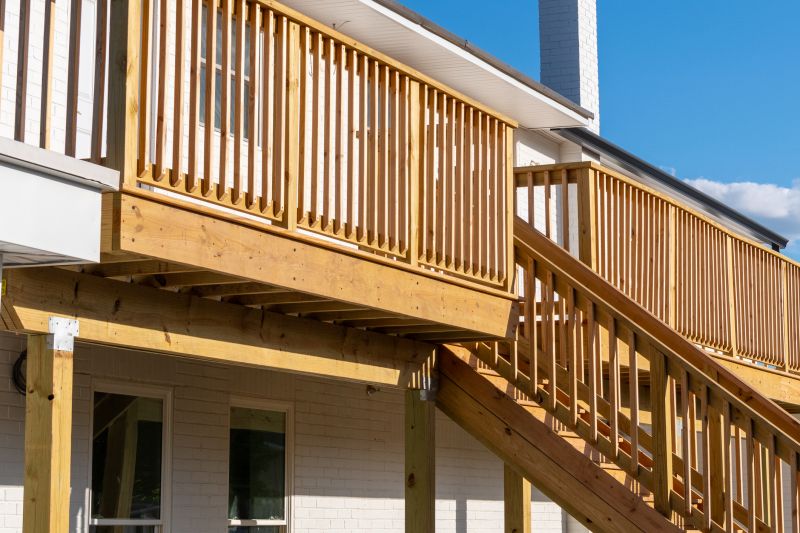
When searching for information on popular wood types used for deck and porch construction, homeowners are typically exploring options for building or upgrading outdoor living spaces. This topic often relates to plans for creating durable, attractive, and functional decks or porches that enhance the property's value and usability. Homeowners may be considering different wood options to match their aesthetic preferences, withstand local weather conditions, or fit within their overall design vision. Understanding the characteristics of various wood types helps in making informed decisions about which materials will perform best over time, reducing the need for frequent repairs or replacements.
This subject is closely connected to common property projects such as building new decks, replacing aging structures, or expanding outdoor living areas. Homeowners often face challenges like choosing materials that balance cost with longevity, selecting woods that resist pests and decay, or finding options that require minimal maintenance. These projects can involve various property types, from suburban homes and urban townhouses to rural cottages and waterfront residences. Each property may demand specific considerations based on exposure to elements, foot traffic, or aesthetic goals, making it important to work with local contractors who understand the best wood options for each situation.
The discussion around popular wood types used for deck and porch construction also ties into practical concerns about installation and long-term performance. Different woods have distinct strengths, such as resistance to moisture, ease of working with, or visual appeal. For example, some homeowners prefer naturally durable woods like cedar or redwood for their resistance to rot, while others opt for composite or treated woods for added longevity. Local service providers can help evaluate these factors and recommend the most suitable options based on the property's location and the homeowner's priorities. This ensures that the finished project not only looks good but also endures the demands of outdoor use.
Ultimately, understanding the popular wood types used for deck and porch construction empowers homeowners to make better-informed choices when planning their outdoor improvements. It connects directly to the work that local contractors perform, whether that involves selecting the right materials, preparing the site, or installing the structure properly. By working with experienced service providers, homeowners can ensure that their outdoor spaces are built with the best-suited wood types, leading to a durable and attractive addition to their property. This knowledge helps in creating outdoor areas that are both functional and visually appealing, tailored to the specific needs and conditions of each property.
Fence installation projects often require similar carpentry skills and knowledge of wood types, making them a natural extension for local contractors experienced in deck and porch construction.
Outdoor stair and railing projects involve planning and building with durable woods, aligning with the expertise of service providers specializing in deck and porch features.
Patio cover and pergola construction utilize many of the same materials and techniques as deck building, enabling local pros to deliver cohesive outdoor living solutions.
Garden and landscape structures such as raised beds or trellises often incorporate similar wood types and planning skills used in deck and porch projects.
Outdoor furniture crafting requires precise carpentry and wood selection, which complements the skills of local contractors working with popular wood types for decks and porches.
Roof overhang and soffit installations involve wood framing and material choices that overlap with the knowledge used in deck and porch construction services.
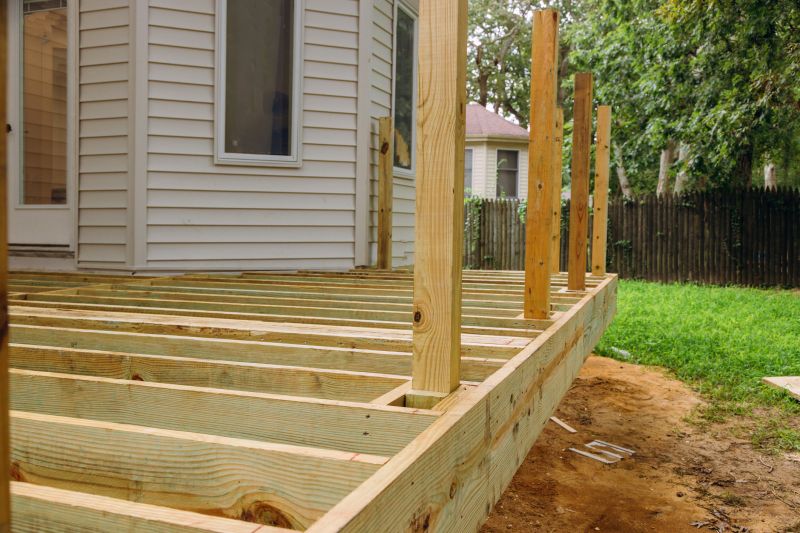
When evaluating local contractors for deck and porch construction, it is important to consider their experience with projects involving popular wood types used for these structures. Homeowners should inquire about the types of wood the service providers have worked with in similar settings, ensuring they have a solid understanding of the characteristics, installation requirements, and maintenance considerations associated with each. An experienced contractor will be able to offer insights into which wood options perform best in specific environments and how they can help select the most suitable materials for durability and aesthetic appeal.
Clear written expectations are essential when comparing service providers for deck and porch projects. Homeowners should seek detailed descriptions of the scope of work, including the specific wood types to be used, the preparation process, and the finishing techniques. Having these details documented helps prevent misunderstandings and ensures the contractor’s approach aligns with the homeowner’s preferences and needs. Reputable local contractors will be transparent about their methods and provide comprehensive information to facilitate informed decisions.
Good communication and reputable references are key indicators of a reliable service provider. Homeowners should ask for references from past clients who had similar projects involving various wood types, as this can provide valuable insights into the contractor’s reliability, workmanship, and ability to handle specific material requirements. Open lines of communication throughout the project are equally important, enabling homeowners to ask questions, clarify expectations, and receive updates. Service providers who prioritize clear, consistent communication and can provide trustworthy references are more likely to deliver a satisfactory outcome for deck and porch construction projects.
Property owners often search for popular wood types used for deck and porch construction when they are planning practical projects around their homes and businesses. Local pros provide Deck and Porch Construction services for everyday jobs and straightforward project options.
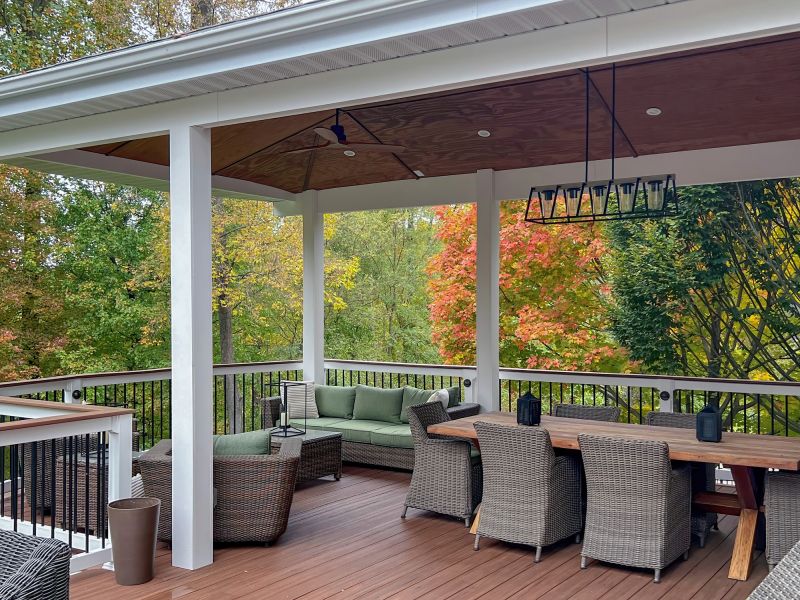
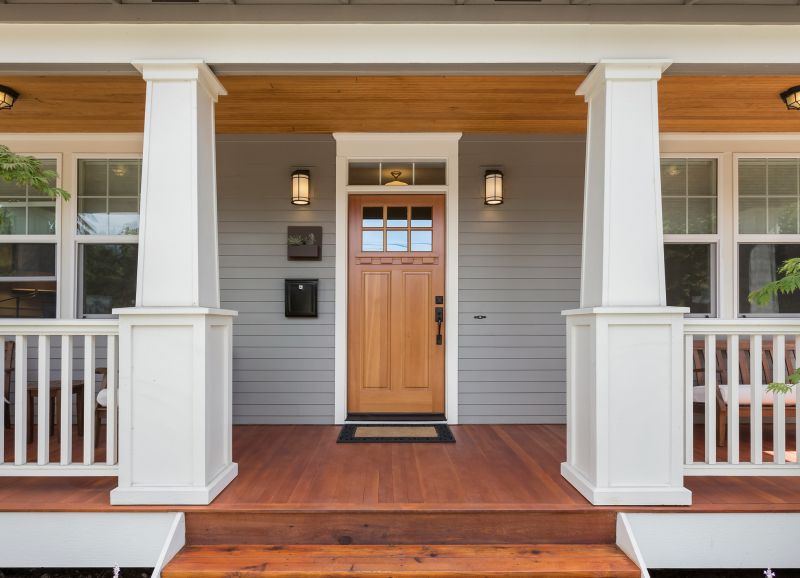
Many property owners considering a new deck or porch often look into the different types of wood commonly used in construction. Popular wood types used for deck and porch construction include options that balance durability, appearance, and ease of maintenance. Homeowners may seek information on which woods stand up well to foot traffic and weather exposure, helping them make informed decisions before hiring local contractors to build or upgrade their outdoor spaces.
Understanding the characteristics of various woods can assist property owners in choosing the right material for their project. Local contractors experienced in deck and porch construction can provide guidance on suitable wood types that match the desired look and longevity. They can help select the best options based on the specific conditions of the area and the homeowner’s preferences, ensuring the finished project meets expectations for style and durability.
What are some popular wood types used for deck and porch construction? Common choices include pressure-treated pine, cedar, redwood, tropical hardwoods like ipe, and composite materials, with local contractors often recommending options based on durability and style preferences.
Why do contractors often recommend cedar for decks and porches? Cedar is valued for its natural resistance to decay and insects, making it a popular wood type for outdoor structures, with local service providers able to advise on its suitability for specific projects.
Are tropical hardwoods a good option for deck construction? Yes, tropical hardwoods such as ipe and tigerwood are known for their strength and longevity, and local contractors can help determine if these woods fit the project's needs and budget.
What are the benefits of using pressure-treated wood for outdoor decks? Pressure-treated wood is affordable and resistant to rot and insects, making it a common choice, with local pros able to ensure proper installation and maintenance practices.
Can composite materials be used instead of traditional wood for decks and porches? Yes, composite materials are low-maintenance and durable alternatives to wood, and local service providers can assist in selecting the best composite options for outdoor construction.
Selecting durable woods can help property owners choose materials that withstand foot traffic and outdoor elements for long-lasting decks and porches, with local contractors guiding the best options.
Considering wood grain and appearance allows homeowners to match their deck or porch with existing home aesthetics, while local service providers can recommend finishes that enhance natural beauty.
Choosing low-maintenance wood types makes upkeep easier, encouraging property owners to opt for materials that require less staining or sealing, with local contractors providing installation expertise.
Understanding wood treatment options helps property owners select materials that resist pests and decay, ensuring their outdoor structures remain attractive and functional with professional installation.
If you are thinking about popular wood types used for deck and porch construction for a property, this guide is meant to help you understand this topic, the typical project types, and how different options might fit your plans.
When you are ready, you can use the quote form on this page to share a few details about your project. From there, local pros can review the basics and follow up with options that match what you have in mind.